.png)

Navigating News in the Deaf Community Updates
Access to news is a vital part of staying connected with the world. But how do Deaf individuals keep up with current events when traditional news formats often rely heavily on spoken language? Navigating news in the Deaf community requires thoughtful approaches that break down communication barriers. This post explores practical ways to make news accessible, highlights the importance of inclusive communication, and offers actionable tips for businesses and organizations aiming to support Deaf accessibility.
Understanding Deaf Community Updates
When you think about news, you might picture TV anchors speaking or radio hosts broadcasting. For many Deaf people, these formats are not fully accessible. Deaf community updates need to be delivered in ways that respect sign language and visual communication preferences.
British Sign Language (BSL) is the first or preferred language for many Deaf individuals in the UK. Providing news in BSL is not just a nice-to-have; it’s essential for true accessibility. Imagine trying to follow a story without understanding the language—it’s frustrating and isolating.
To bridge this gap, services like InSignLanguage news Deaf community offer news content translated into BSL. This approach empowers Deaf individuals to engage with current events confidently and independently.
Why Visual Communication Matters
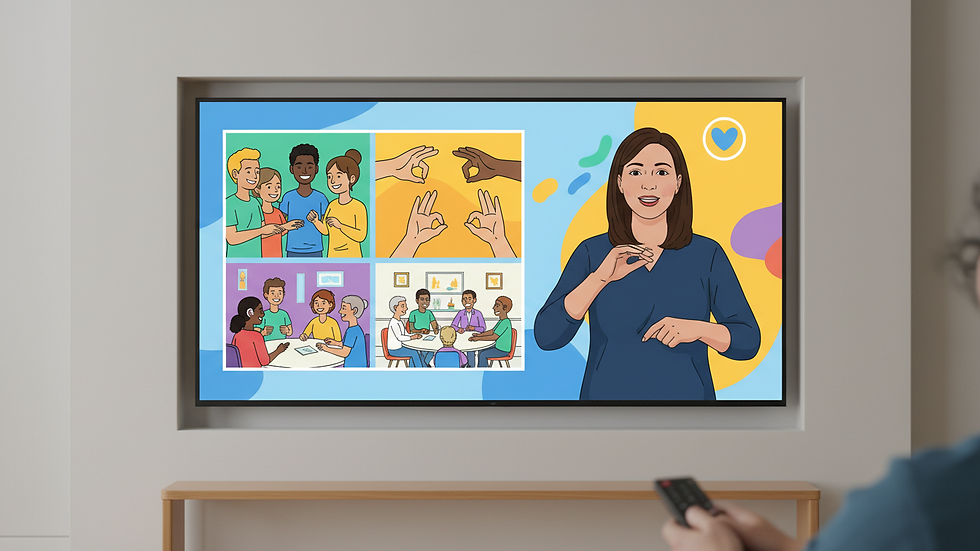
Visual communication is the backbone of Deaf news accessibility. Videos with sign language interpreters, captioning, and clear visuals make information easier to digest. For example, a news story about local government changes can be presented with a BSL interpreter on screen, alongside captions and relevant images.
This multi-layered approach ensures that Deaf viewers receive the full context, tone, and details of the news. It’s like opening a door to a room that was previously closed.
How Businesses Can Support Deaf Community Updates
If you manage a workplace or organization, you might wonder how to make your news and communications more Deaf-friendly. The good news is that small changes can make a big difference.
1. Use Qualified BSL Interpreters
Whenever you share important updates, consider hiring qualified BSL interpreters. They can translate spoken or written content into sign language accurately. This service is especially crucial for live events, meetings, or announcements.
2. Provide Captioning and Transcripts
Captions are essential for Deaf individuals who may not use sign language or prefer reading. Transcripts of news stories or announcements also help with clarity and reference.
3. Leverage Video Content
Videos are a powerful tool. Create short, clear videos with sign language interpretation and captions. Share these on your website, social media, and internal communication channels.
4. Train Your Team
Deaf Awareness Training helps your staff understand the needs of Deaf colleagues and customers. It fosters a culture of respect and inclusion. When your team knows how to communicate effectively, everyone benefits.
5. Use Technology Wisely
Technology can enhance accessibility. Video relay services, text-to-video apps, and platforms designed for Deaf communication make it easier to share news and updates.
By implementing these steps, you show commitment to inclusivity and compliance with legal accessibility standards.

The Role of Technology in Deaf Community Updates
Technology has revolutionized how news reaches the Deaf community. From video platforms to mobile apps, tools now exist to make information accessible anytime, anywhere.
Video Relay Services (VRS)
VRS allows Deaf individuals to communicate with hearing people through a sign language interpreter via video calls. This service can also be used to access live news broadcasts with interpretation.
Captioning Software
Automatic captioning tools help convert spoken words into text. While not perfect, they provide a good starting point for making videos accessible. Combining captions with human review improves accuracy.
Social Media and Online Platforms
Social media channels like YouTube, Facebook, and Instagram support video content with captions and sign language. Many Deaf content creators share news updates in BSL, creating a vibrant online community.
Apps for Deaf Accessibility
Apps designed for Deaf users offer news in sign language, alerts, and community updates. These apps often include features like customizable captions and video speed controls.
Technology is like a bridge connecting Deaf individuals to the wider world. But it works best when paired with human expertise and cultural understanding.
Creating Inclusive News Environments
Ever wondered how to make your event or workplace truly inclusive? It starts with recognizing the unique communication needs of Deaf individuals.
Plan Ahead
If you’re hosting an event or releasing important news, plan for accessibility from the start. Book interpreters early and ensure your venue supports visual aids.
Use Clear Visuals
Visual aids like slides, infographics, and videos help convey information clearly. Avoid clutter and use high-contrast colors for readability.
Encourage Feedback
Ask Deaf colleagues or community members for feedback on your communication methods. Their insights can guide improvements and build trust.
Promote Deaf Employment
Supporting Deaf professionals in your organization enriches your culture and improves communication. Programs like the Career Network offered by InSignLanguage help match Deaf jobseekers with employers.
By fostering an inclusive environment, you create a space where everyone can thrive and stay informed.
Moving Forward with Confidence
Navigating news in the Deaf community is about more than just access. It’s about respect, empowerment, and connection. When you prioritize clear communication and inclusivity, you open doors for Deaf individuals to participate fully in society.
Whether you’re sharing company updates, hosting events, or providing public information, remember that accessibility benefits everyone. It’s a step toward a world where no one is left out of the conversation.
By embracing tools like InSignLanguage news Deaf community and following best practices, you contribute to a future where communication is seamless and barrier-free.
Your commitment to accessibility is a story worth telling - one that builds bridges and creates opportunities for all.
If you want to learn more about how to improve Deaf accessibility in your workplace or community, consider reaching out to experts who specialize in Deaf communication. Together, you can make news and information truly inclusive.


Comments